An incoming call displays your bank’s official phone number. The number on your phone is the same one you use to call your bank. The caller politely alerts you to unusual transactions on your account.
They inform you of strange purchases flagged by their security system. The caller knows your full home address without you having to tell them. They sound professional while warning you about your money.
They claim your funds are in danger. They emphasize taking action now. The request is to “secure your account” by giving them your full card. They ask for an OTP code. You discover too late that the caller was a staged scam, not customer service. You understand only after the money’s gone.
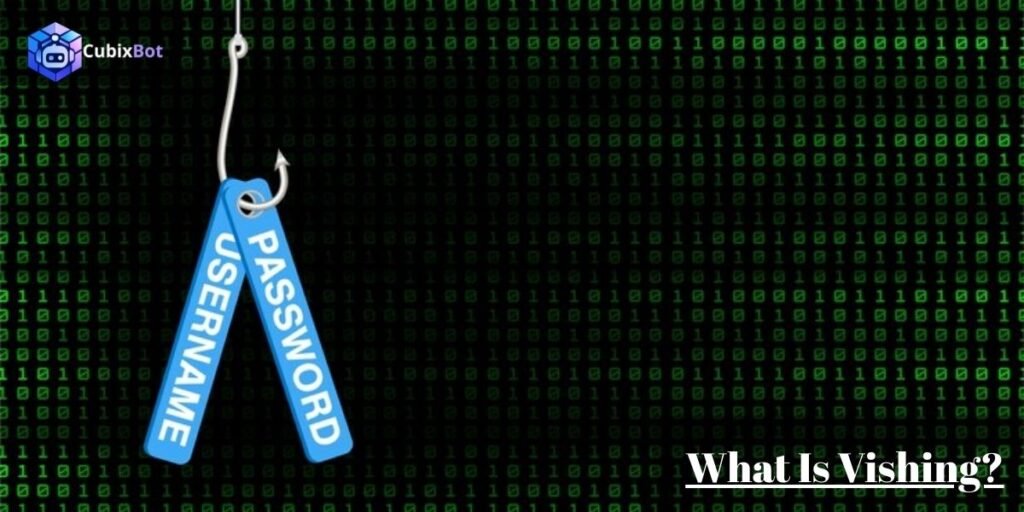
Voice phishing, or vishing, is the art of conning people out of sensitive info via telephone. It’s a social engineering tactic where scammers use voice calls to extract your data. They trick victims into giving up passwords.
This phone scam induces individuals to reveal their financial details. They skip malicious emails. The trap is a smooth talker on the line. They know your number and some of your data. They use persuasive phone calls as their weapon. Their tool is vocal deception.
This is a growing threat because vishing is becoming more common. It’s getting advanced because the sophistication of phishing attacks demands attention. Vishing is exploding in volume.
It’s becoming more refined and a top concern. A 442% spike in vishing was recorded in just six months. It shows the massive pivot to phone scams. The scale of the problem is clear.
Simulated attacks fooled 70% of organizations. The real incident now costs over $14M on average. The vulnerability is high. Attackers now pair caller ID spoofing with AI voice cloning. They perfectly impersonate trusted contacts.
1- What Is Vishing? (Definition)
Vishing (short for voice phishing) is a social‑engineering attack. The scammers use phone calls or voice messages to impersonate trusted organizations. They attack individuals. They scam people into showing their personal information.
They steal passwords and banking details. Vishing differs from email scams. Instead of texts or emails, vishing uses real-time voice interaction.
The term “vishing” describes voice-based phishing attacks that target credit card numbers. They capture confidential information like account logins.
- Scammers pretend to be postal services or legitimate organizations to appear authentic.
- Fraud happens through direct conversation, prerecorded pitches, or blended tactics.
- Attackers exploit VoIP technology to mask their true identity.
- They seek to coerce victims into actions that compromise security.
- Official sources highlight phishing as an escalating cyber threat.
2- How Is Vishing Different From Other Phishing Types?
Vishing attacks happen via live or automated calls. Phishing happens via email. Smishing uses texts, while vishing uses calls. All three aim to steal data through deception.
Social engineering is the common thread in all three. The main difference is the channel used to attack. The distinction lies in how they interact with victims.
Differences By Channels
| Phishing Type | Method | Tactics | Red flags |
| Phishing | It uses emails websites | Malicious files attached to emails.Bogus login pages to steal credentials.Fake links leading to phishing sites. | Slight misspellings in website addresses.Demands for immediate action. |
| Smishing | It uses Text messagesMessaging Apps | Links lead to phishing sites requesting passwords.Texts contain harmful links demanding personal data. | The scam creates urgency with false account warnings.You receive unexpected texts with suspicious links. |
| Vishing | It uses phone callsvoicemails (VOIP) | Urgent scripts with live fakers.Live scammers create panic using spoofed calls. | Robocalls demanding OTPs with high pressure.Automated voices |
3- How Do Vishing Attacks Work?
- Initial contact
Vishing starts with unexpected calls or voicemails. They spoof the caller ID to look like trusted entities. Caller ID is faked to mimic banks or agencies. Urgency is created to prompt quickly.
They claim account issues. False alarms about suspicious activity trigger panic. Demands for immediate payment. The goal is quick engagement without thinking.
- Methods
Common approaches include live calls, real-time conversations, automated prompts, or email-triggered calls. Real-time conversations direct victims to “press 1” through robocalls.
Attackers use cheap VoIP services. They target numbers from online exposure. Contact lists come from breaches or purchased databases. AI now clones voices for realistic, targeted scams.
“Spear-vishing” attacks high-value roles with synthetic voices. Scammers weaponize deepfake tech against specific employees.
- Social engineering on calls
Attackers use psychological tricks like authority. They pose as officials to create urgency. They pretend to be CEOs. They build trust by confirming personal details. Scammers reference OSINT data to sound familiar.
They mirror your speech to create deadlines. Voice manipulation bypasses text-based skepticism. It’s harder to doubt a voice than an email. This approach feels more personal and convincing.
- The “ask”: What attackers want
They seek sensitive information like passwords. The goal is to obtain data for fraudulent payments. They may ask for remote access to your device. Scammers demand file uploads.
They pose as support to get you to install “fixes” or share data. Business scams aim for executive impersonation. They go after large sums via CEO fraud.
- Exploitation after the call
After a win, attackers move fast. They drain all your accounts. They sell your data. Using disposable phones, they disappear without a trace.
They use the breach for financial gain. Victims stay unaware until they see missing money. Each breach seeds the next wave of amplified fraud.
4. Real‑world Vishing Examples
Vishing scams show how criminals use phone calls to trick people. These stories are based on real tricks like fake numbers. They lie about who they are, rush you, and fake their caller ID.
- Consumer banking phishing
You get a call from a “bank representative” about a charge you never made. They pretend to be someone else and create a false emergency. The caller pretends to work for your bank.
They rush you into giving up your card number, CVV, or OTP. They immediately use the details to empty your bank account. People fall for it because they are used to fraud alerts. They feel like they must act fast.
- law‑enforcement impersonation
Fake officials pretend to be the police or the IRS. They might claim you owe money for old taxes. They might tell you there is a warrant for your arrest. They demand you pay with gift cards or wire transfers. They want you to pay using Bitcoin.
They ask for your Social Security number. The caller ID might show a real government number. Their serious tone makes you scared.
You share your details when you feel scared. They pay without checking the story first. They scare you by talking about deportation.
- Tech Support Scams
The caller claims to be from a big tech company. They pretend to be an official helper from a company you know. They tell you your computer has a virus. They warn that your accounts are in danger.
They ask you to let them control your screen. The caller wants you to download a program so they can see your computer. They demand your passwords. They insist you give them access to your files.
It gives them a way to take your data. They target people who are not experts with computers. A fake alert pops up and tells you to call them.
5- Threats & Impacts Of Vishing
Vishing is dangerous because it harms your money. It causes serious damage to an organization. By avoiding email filters, phishing puts your finances at risk. This type of scam hurts companies.
- Financial Destruction
Vishing lets thieves take over accounts. Through phone calls, criminals steal large sums of money. In one case, scammers used fake voices in a video call to steal $25 million.
Criminals pretended to be bosses on a call to get a huge payment. An example is a 2024 deepfake video call that tricked a firm into a $25 million transfer.
After a scam, companies lose money while facing tough consequences. Insurers now require stronger checks before they will pay for fraud.
- Data Breaches
Successful phishing steals login info, one-time passwords, and codes. Scammers create panic to get logins for bank accounts.
This gives hackers access to sensitive data, like in the 2023 Retool attack. Your details can be used later for credit card fraud.
- Organizational Risks
By fooling one privileged user, hackers can break into the whole company network. This is a big problem with remote work.
A simple call might convince an employee to give up their password. Attacks on finance and insurance companies went up by nearly 400%. This includes a huge increase in phone scams.
Companies can also face large government fines. The 2021 Colonial Pipeline attack is one of the most famous examples.
This caused major fuel shortages. Hackers trick employees instead of breaking software. This turns a regular employee into an accidental threat.
- Reputational impact
When a data breach is made public, companies lose their customers’ trust. A bad reputation from a cyber attack can cause clients to leave. Companies often face a public backlash after a security failure.
The reputational damage from a hack can be worse than the financial loss. Levitas Capital closed after a phishing scam scared away its partners. Losing just $800,000 to fraud can destroy a business if trust is broken.
Fake videos of a CEO can spread lies and hurt a company’s stock price. A deepfake could trick the market and cause a stock crash.
6- Trends In Vishing
- Growing volumes
Vishing attacks are skyrocketing. Criminals use easy-to-get VoIP. Cheap tools let criminals make millions of calls. It allows them to target millions of people for very little money.
The number of phone scams is booming. A surge in vishing is happening. This is because the technology to do it is cheap. Reports confirm a massive spike. Vishing skyrocketed, peaking with a 442% increase.
- Voice cloning with AI deepfake audio
Fake voices are made by AI. Scammers steal your voice from public clips. Experts think voice fraud will cost $40 billion in a few years. A huge rise in AI voice scams results in organizational losses. Old advice like “trust your ear” doesn’t work against AI clones.
- Hybrid attacks
Hybrid vishing uses phone calls plus email. This type of vishing uses texts or social media channels. A phishing text might tell you to call for help. Then, a fake phone call confirms everything is okay.
These attacks were 5% of the total in mid-2023. They are increasing with time. This multi-step method tricks security systems. The initial bait is followed by a phone call that “proves” the scam is real.
Final Words
Phone scams are a top cyber danger in 2026. Criminals now use AI to copy voices. These tricks take advantage of our trust in phone calls. Vishing attacks are getting smarter with new technology.
Attacks jumped over 400% in just one year. Most companies have already been tricked by phone scams. People and businesses must stay alert to this risk. Check your security now.
Practice spotting fake phone calls with your staff. Revise your safety plan. Don’t forget voice in your crisis plan. Update it today.
Pass this advice on. Help your friends and team stay safe. Technology can fake a voice. Your instincts and training are what stop it.