360 Cybersecurity Solutions for Total Business Protection
Enhance your enterprise defense with CubixBot cybersecurity solutions that go beyond simple alerts to provide active protection across your entire digital infrastructure. We continuously vet and verify high-performance strategies to safeguard your most critical assets, securing the digital future of your business.
AI Era Cybersecurity Facts & Statistics
Essential data points and real-world metrics defining the frontline of the 2026 AI-driven threat landscape.
$16 trillion by 2029
Over 1.35 billion people
23% Attacks Globally
Finance sector experienced one of the highest shares of cyberattacks worldwide
Intro to Modern Cybersecurity Intelligence
The field of cybersecurity remains the fastest-evolving sector in technology. As traditional methods like basic network security become outdated, modern defense has stepped up to meet the challenge. Contemporary cybersecurity now focuses on neutralizing high-level threats through advanced ransomware protection, real-time web detection, and sophisticated anti-spoofing solutions designed for a hyper-connected world.
The cybersecurity landscape is comprised of specialized domains, each requiring a distinct layer of expertise. CubixBot provides deep-spectrum coverage across these critical subfields:
- Network Security
- Cloud Security
- Mobile & Wireless Security
- Application Security
- Database Security
- Online Privacy & Data Protection

A Quick Timeline of Cybersecurity Evolution
The digital landscape has undergone a radical transformation, evolving from a simple signature-based antivirus into the era of predictive AI detection. Here is the definitive timeline of the cybersecurity revolution.
1970-80s
Cryptography & Passwords
Antiviruses & Antiworms
Firewalls & Network Security Standards (IDS)
Encryption, Anti-Phishing, & Biometric Verification
Cloud Security & Ransomware Protection
AI Detection, Reconnaissance & Data Filteration Protection
The foundation of digital privacy, focusing on basic access control and the birth of encryption standards.
The rise of signature-based detection to combat the first generation of self-replicating malicious code.
A shift toward securing the “Human Element” through advanced identity verification and end-to-end data protection.
The current frontier: leveraging predictive AI to neutralize advanced scouting and stop unauthorized data exfiltration in real-time.
How CubixBot Contributes to Cybersecurity Solutions?
Comprehensive Visibility in Cybersecurity Space
High-Fidelity Detection & Intelligence
Implementation with Proofs
Eliminate guesswork with the CubixBot Intelligence engine. By unifying real-time detection with deep-packet forensics, we provide the definitive evidence required to validate threats instantly. Our streamlined workflow allows your team to pivot from a high-level alert to raw forensic proof, drastically reducing your Mean Time to Resolution (MTTR).
Solutions for Every Security Stack
We cover the cybersecurity network Framework independently for the Extensible Ecosystem, enabling bi-directional communication with your SIEM (Security Information and Event Management), SOAR (Security Orchestration, Automation and Response), EDR (Endpoint Detection and Response), and XDR (Extended Detection and Response) tools. So you can ingest alerts, enrich them with packet data, and send automated remediation actions.
AI-Powered Security Analytics
Our AI-enhanced coverage transforms complex, packet-derived metadata into curated intelligence feeds. These are delivered in standard formats (JSON/STIX/TAXII) for immediate ingestion into third-party analytics platforms like Splunk ES, ELK Stack, or ServiceNow, supercharging your AI-powered threat hunting.
Domains We Master

Threat Monitoring
The CubixBot team monitors threats in the cybersecurity space by staying in touch with industry experts to help you neutralize risks in real-time. We aim to provide instant alerts and detailed responses for businesses, enabling them to stay ahead of modern cyberattacks with 24/7 protection from AI-driven defenses.
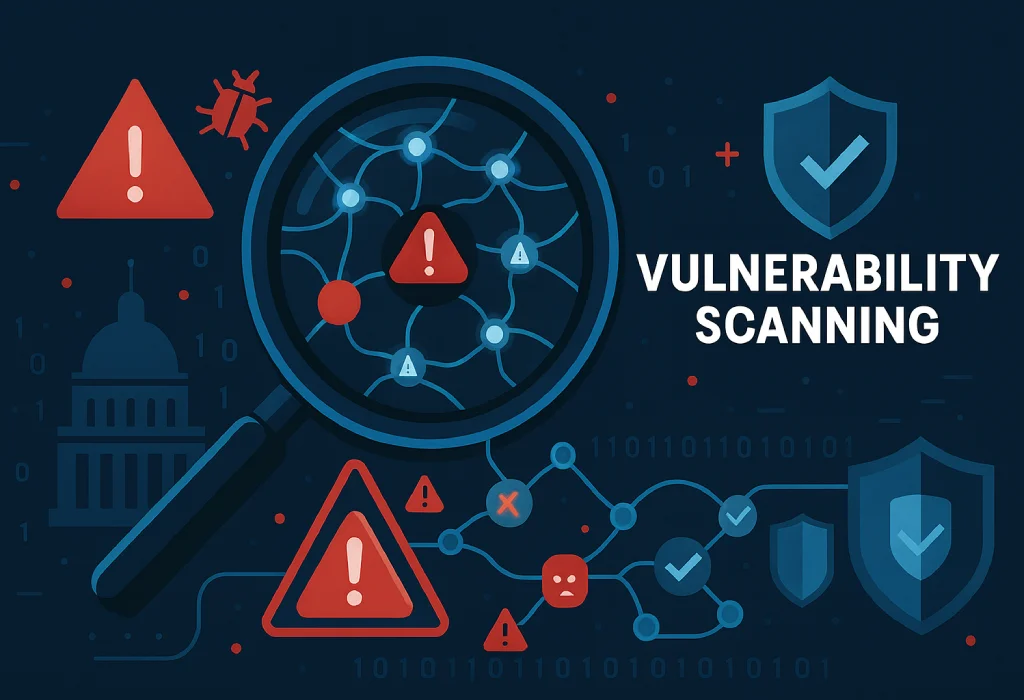
Vulnerability Detection
Vulnerabilities are the start of a major cyberattack, and we simulate real-world tactics to expose vulnerabilities in enterprise systems, apps, and networks. Explore our latest case-studies to receive actionable insights and fortify your defenses. Close security gaps proactively with CubixBot.

Cloud Security
Cloud is where the data lives in 2026. From data storage to access controls, CubixBot implements solutions such as encryption and multi-layered protocols to keep your cloud environment airtight. Let our experts explain how to manage your firewalls, endpoints, and encryption so you can focus on growth.

Bakcups & Automation
Backups are most important for Enterprises in 2026, and how to automate them is what CubixBot helps with. We provide a unified strategy that integrates infrastructure hardening with robust data protection. Our strategies help you mitigate cloud risk and ensure secure & easy data backup and recovery.

Awareness & AI
AI is the name of the game in 2026, and CubixBot helps equip your employees with the skills to spot AI phishing, modern social engineering, and other AI threats. Interactive training & guides reduce the risks up to 90%. The Cubix guides enable your teams to track policy adherence and ensure ongoing alignment with regulatory standards.
Join the Mission: Submit Your Insights or Partner With Us
Feel free to contact us to submit a cyberattack solution, story, tactic, or prevention guide. CubixBot is always open to effective contributions from the audience, making the platform more reliable and trustworthy.